

 Français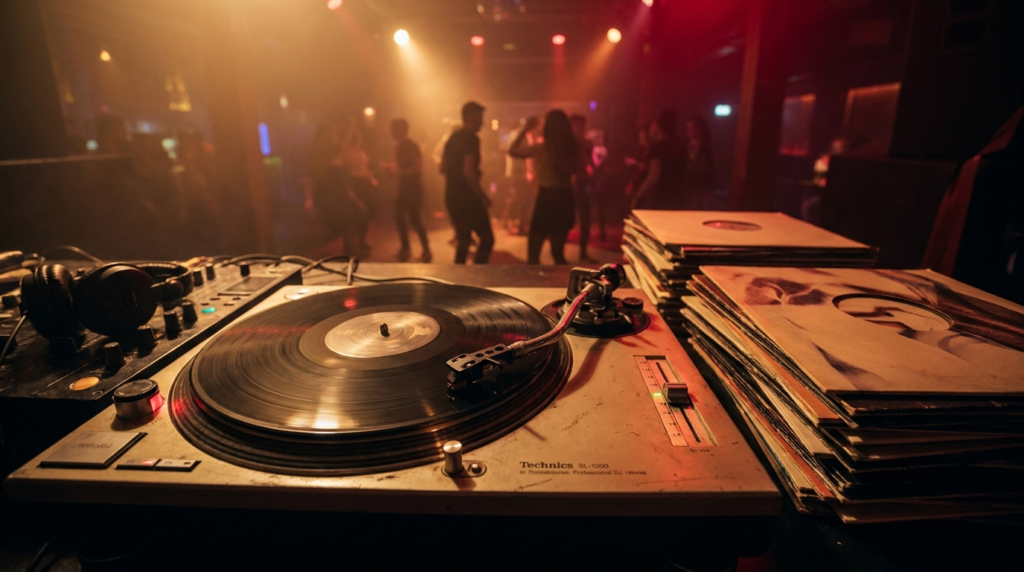
Forty years after its first beats, house music remains one of the universal languages of celebration. From the underground clubs of Chicago to the biggest festival stages, it continues to bring dancers together around the same four-on-the-floor rhythm. A look back at a genre that never goes out of style.
Origins in Chicago
It was in the early 1980s, in Chicago clubs like the legendary Warehouse, that house was born. DJs extended the spirit of disco by adding drum machines, hypnotic basslines and layers of synths. The name itself is said to come from this founding club. The movement quickly spread to New York, Detroit, then crossed the Atlantic to set Europe alight.
One genre, a thousand colours
The strength of house lies in its diversity. Deep house relies on deep, muted atmospheres, perfect for the start of the evening. Soulful house highlights vocals and the gospel/soul heritage, warm and emotional. Tech house tightens the groove around drier, more hypnotic rhythms, while funky house fully embraces its groovy, festive samples. Each style creates a different atmosphere on the dancefloor.
Why house remains a must for events
Unifying and timeless, house adapts to any context: corporate event, wedding, brand launch or club. A good house DJ knows how to read the crowd and build the energy throughout the night. It is precisely this expertise that sets apart the artists we represent.
